
As a home cook and blender enthusiast, I have had the pleasure of using both the KitchenAid K150 and K400 blenders. Both of these blenders offer unique features that make blending a breeze, but they also have their own distinct differences. The KitchenAid K150 is a 3 speed ice crushing blender with a 48 fluid ounce capacity and a unique asymmetrical blade that blends at four distinct angles for powerful crushing. The Soft Start feature and Intelli-Speed Motor Control make blending smooth and splatter-free. On the other hand, the KitchenAid K400 is a variable speed blender with a 56 fluid ounce capacity, a 3 part blending system, and a self-clean cycle for easy clean-up. The variable speed dial and 3 preset recipe programs allow for a range of textures, while the Soft Start feature ensures a smooth start every time.
I have used both blenders for various purposes and have found that they both offer excellent performance, but with different benefits. The KitchenAid K150 is great for crushing ice and making smoothies, while the KitchenAid K400 is better suited for tougher ingredients like kale and almonds and offers the convenience of a self-clean cycle. Both blenders are versatile and easy to use, but the KitchenAid K400 offers more advanced features, making it a pricier option. Regardless of the differences, both blenders have exceeded my expectations and I am confident that either choice would make a great addition to any kitchen.
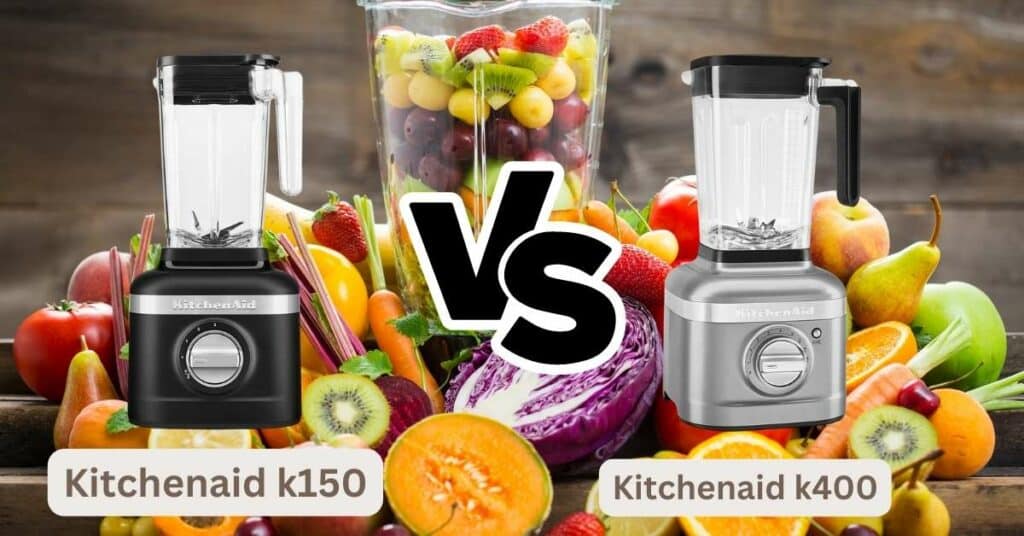
Key Differences Between Kitchenaid k150 and k400 Blender
The main difference between the KitchenAid K150 and K400 blenders lies in their design and features. The KitchenAid K150 is a 3 speed ice crushing blender with a 48 fluid ounce capacity and a unique asymmetrical blade that blends at four distinct angles for powerful crushing. The Soft Start feature and Intelli-Speed Motor Control make blending smooth and splatter-free. On the other hand, the KitchenAid K400 is a variable speed blender with a 56 fluid ounce capacity, a 3 part blending system, and a self-clean cycle for easy clean-up. The variable speed dial and 3 preset recipe programs allow for a range of textures, while the Soft Start feature ensures a smooth start every time. The KitchenAid K400 also offers a larger capacity and advanced features, making it a pricier option compared to the K150. Both blenders offer excellent performance, but the K400 offers more versatility and convenience for those who want a blender with more advanced features.
| Feature | KitchenAid K150 | KitchenAid K400 |
|---|---|---|
| Speed | 3 speeds | Variable speed |
| Capacity | 48 fluid ounces | 56 fluid ounces |
| Blade Design | Asymmetrical blade | 3 part blending system |
| Self-Cleaning | No | Yes |
| Preset Programs | No | Ice Crush, Icy Drink, and Smoothie |
| Soft Start | Yes | Yes |
| Motor Control | Intelli-Speed Motor Control | Intelli-Speed Motor Control |
| Expansion Pack | Available | Available |
| Price | Buy on Amazon | Buy on Amazon |
Overview of KitchenAid K150 3 Speed Blender
The KitchenAid K150 Blender is a powerful and versatile appliance for your kitchen. This blender features a unique asymmetrical blade that blends ingredients at four distinct angles, ensuring a perfect blend every time. With its 3 optimally designed speeds and Ice Crush setting, you can create your ideal taste, texture, and consistency, no matter the ingredients.
One of the standout features of the KitchenAid K150 is the Soft Start feature. This feature starts the motor at a slower speed to draw ingredients into the blade, then quickly increases to the selected speed to prevent splattering. The Intelli-Speed Motor Control also ensures that the blender is always working at the optimal speed for the best results.
In addition to its impressive performance, the K150 is also easy to use. The 48 fluid ounce capacity is large enough for most blending tasks, and the blender’s compact design makes it easy to store. And for those who want even more versatility from their blender, the K150 is compatible with two expansion packs: the 6-oz Small Batch Jar Expansion Pack and the 16-oz Personal Blender Jar Expansion Pack.
Overall, if you’re looking for a powerful and reliable blender that offers a good balance of performance and convenience, the KitchenAid K150 is an excellent choice. As a user of this blender, I can attest to its ability to quickly and effectively crush ice and blend ingredients to your desired texture and consistency.
Pros √
- Unique asymmetrical blade blends at four distinct angles for powerful crushing and perfect blending
- 3 optimally designed speeds and Ice Crush setting provide versatility in creating your desired taste, texture, and consistency
- Soft Start feature prevents splatter and ensures ingredients are properly blended
- Intelli-Speed Motor Control senses contents and maintains optimal speed for better blending
- 48 fluid ounce capacity is ample for most blending tasks
- Compatible with two expansion packs (6-oz Small Batch Jar Expansion Pack and 16-oz Personal Blender Jar Expansion Pack) for added versatility
- Easy to use and compact design for convenient storage
Cons ×
- No locking mechanism for the blender portion to the base


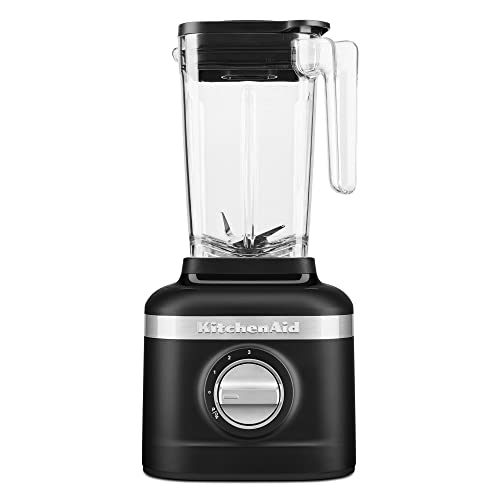
- Crush ice in less than 10 seconds* and achieve your ideal taste, texture and consistency...
- 3 optimally-designed speeds for your perfect blend, plus an Ice-crush setting, for the...
Overview of KitchenAid K400 Variable Blender
The KitchenAid K400 Variable Speed Blender is a powerful and versatile blender that allows you to create a range of textures and blends to your desired taste, texture, and consistency. As a KitchenAid user, I highly recommend this blender for its many features and capabilities.
Visit Gamingkorner.com to find a thorough comparison of the Kitchenaid K400 Vs Vitamix E320, and make an informed decision for your kitchen.
One of the standout features of the K400 is its 3-part blending system that consists of a vortex-creating ribbed jar design, unique asymmetric blade, and the Intelli-Speed Motor Control. The motor control senses contents and automatically maintains optimal speed for a better blend. Additionally, the variable speed dial and three preset recipe programs (Ice Crush, Icy Drink, and Smoothie) give you the ability to easily create a range of textures, from smooth to chunky.
The Soft Start feature of the K400 also ensures that ingredients are blended without splatter, as the motor starts at a slower speed and quickly increases to the selected speed. Clean-up is also a breeze with the self-clean cycle, which requires only water and soap to clean the 56 fluid ounce BPA-free blender jar.
Additionally, the K400 is compatible with two expansion packs (6-oz Small Batch Jar Expansion Pack and 16-oz Personal Blender Jar Expansion Pack), allowing you to unlock even more possibilities with your blender. With its powerful performance, ease of use, and versatile capabilities, the KitchenAid K400 Variable Speed Blender is a must-have for any kitchen.
Pros √
- Unique 3 part blending system, including a vortex-creating ribbed jar design, asymmetric blade, and Intelli-Speed Motor Control, ensures efficient blending
- Self-clean cycle for easy and quick clean-up
- Variable speed dial and 3 preset recipe programs (Ice Crush, Icy Drink, or Smoothie) provide versatility in blending
- Soft Start feature starts the motor at a slower speed to avoid splatter
- 56 oz BPA-free Blender Jar with lid included
Cons ×
- Pricey

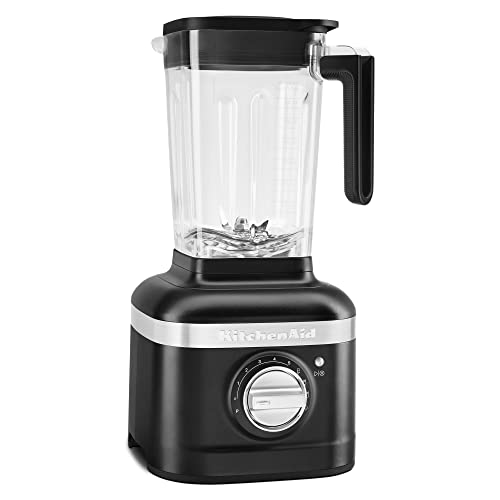
- Blending is a breeze with the 3 part blending system, made of the blender's...
- Quickly blend and take on notoriously tough ingredients like kale and almonds with ease,...
Conclusion
In conclusion, both KitchenAid K150 and K400 are high-quality blending machines that offer a range of features and performance capabilities. The K150 is ideal for those looking for a powerful blender that is easy to use and produces great results with its 3 optimized speeds and Ice Crush setting. Additionally, its Soft Start feature provides a smooth start, avoiding any splatter.
On the other hand, the K400 offers a more versatile blending experience with its 3 part blending system, self-clean cycle, and variable speed dial, as well as its Soft Start feature. It is a perfect choice for those who want more control over the consistency and texture of their blends and are willing to pay a premium for it.
Ultimately, there is no winner between the K150 and K400. The best blender for you will depend on your individual needs, preferences, and budget. Both blenders are solid choices and provide excellent results, so you can’t go wrong with either one. As a user of both blenders, I have found them both to be highly effective and efficient in my kitchen.
Related post:







Leave a Comment